3 Things I Learned
1. I had never realized the amount of workers who had previously been employed in their homes or a home setting who got transplanted into factories.
2. I had no idea that parents were as eager as they were for their children to work so that the family could make a little more money.
3. I learned that James Watt was actually much more important to history than I had previously thought... I had always just assumed that he came up with a measurement system or something, but he actually did a lot in the way of lending to modern inventions.
2 Things I Found Interesting
1. I thought it was really cool how all these major inventions just came about within about twenty years of each other, and what a big impact they made.
2. It's amazing to think about the importance of railroads in relation to the Industrial Revolution. They seem so slow to us today (especially the original ones), but they made everything happen quicker for the people working back then.
1 Question I Still Have
1. What level had education been brought up to in this time period, and how did the percent of the educated populace compare with the uneducated, both in terms of numbers and class?
Tuesday, February 15, 2011

Spotlight On... Gas Lighting


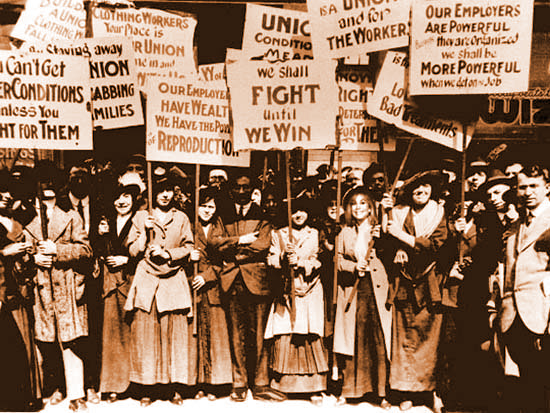
US Event - Strikes and Unions
In 1842, while cement was being rediscovered in Europe and the Mines Act was being passed, the era of Industrial Revolutions was being felt in America. A case came before the Massachusetts Supreme Court (Commonwealth vs. Hunt) that resulted in strikes by unions being declared legal. Obviously this was important in this time period, because reform was still necessary, and unions were looking for a way for their voices to be heard. Unions were now fully legal organizations, and as such, they had the right to arrange things such as strikes. The only exception would be if the strikes became violent or started promoting illegal acts, in which case the union in question would no longer be permitted to go on with those actions.

US Event - The Start of the American Revolution

People in the News - William Cockerill

William Cockerill played an instrumental part in founding the spinning industry in England. He started up/worked with a lot of factories all over Europe, and it is known that he used one country's information to help himself in another country. When he was well-versed in the manufacturing and production ways in one country and he went onto another he would remember the plans and such to use them to start up the same type of system in his current country. He attracted a little bit of attention from government officials because of this, but was successful overall.
People in the News - David Ricardo

People in the News - Adam Smith

As a person he was regarded as a tad mentally unstable, because he often held conversations with himself and imaginary others, as well as coming down with imaginary ilnesses. However, his mind was brilliant, and the role his theories played during the Industrial Revolution was extremely significant.
Subscribe to:
Comments (Atom)